





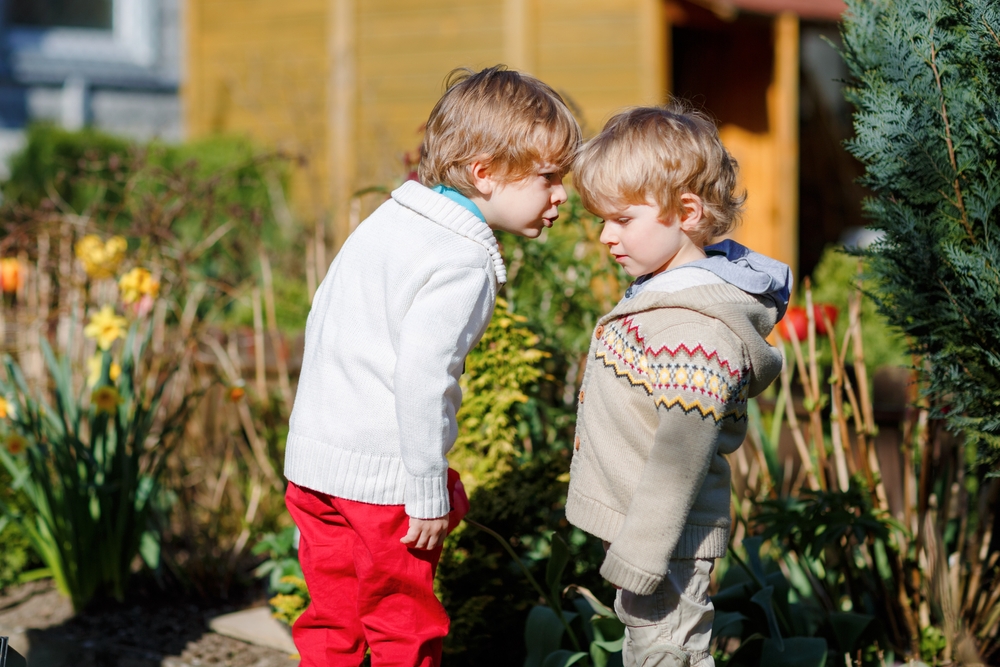
Everyone longs for a family that provides a sense of safety, love, and connection. Sadly, this has not been the experience of many of the clients I work with. There are varied and complex reasons why my clients land in adulthood feeling these needs were not met but one dynamic that I have seen many times (but I believe doesn’t get spoken about enough) is growing up with a sibling who exhibits bullying behavior. While we often think of bullying in the context of schoolyards or playgrounds, sibling bullying can be equally damaging, if not more so, due to the assumptions we have about sibling relationships as well as the constant proximity and emotional complexity inherent in sibling relationships.
For many, the effects of growing up with a bullying sibling linger far into adulthood, affecting self-esteem, relationships, and emotional well-being. If you grew up with a sibling who regularly belittled, teased, physically harmed, or emotionally manipulated you, you may still be grappling with the psychological toll it took on you.
The Subtle Yet Enduring Nature of Sibling Bullying
Unlike the more overt bullying seen in schools or communities, sibling bullying often (although not always) operates under the radar. It may manifest as teasing, name-calling, manipulation, exclusion, or even physical aggression. Because siblings are typically expected to get along or perhaps because parents are distracted or overwhelmed, the toxic dynamics may not be recognized by parents or other family members, making the bullied sibling feel isolated or unsupported. Or the behaviour may be minimised with phrases like ‘all siblings quarrel’ downplaying the seriousness of what is happening.
And make no mistake, what is happening is often very serious. It can create lasting damage to one’s sense of self-worth. These behaviors, though they may seem trivial to others at the time, can accumulate and fester, creating deep emotional scars that are hard to heal.
Psychological Consequences of Growing Up with a Bullying Sibling
- Damaged Self-Esteem and Self-Worth
Growing up with a sibling who constantly belittles or criticizes you can seriously damage your self-esteem. When a sibling is the one delivering hurtful comments or undermining your efforts, it can lead to internalized feelings of inadequacy. The messages you hear from your sibling, such as “You’re weird” or “You’re an embarrassment to me” can become internalized beliefs. Over time, you may begin to doubt your abilities and feel like you’re unworthy of love or respect.
- Chronic Anxiety and Fear of Judgment
Sibling bullying can leave you with an ongoing sense of anxiety. Constant exposure to negative or critical remarks may create a heightened sensitivity to judgment in other areas of life. You may become hyper-aware of how others perceive you, feeling perpetually on edge in social settings, relationships, or even at work. The fear of being criticized or rejected, which started in childhood, can extend into adulthood, affecting your interactions and ability to trust others.
- Difficulty in Setting Boundaries
A sibling who bullies may frequently violate personal boundaries, leaving you unsure of how to assert yourselves in relationships later in life. If you were never taught how to stand up for yourself or defend your space in childhood and your parents didn’t hold boundaries for you then you may struggle with setting healthy boundaries as an adult. This can lead to difficulties in maintaining balanced relationships, whether romantic, professional, or even with friends.
- Feelings of Isolation and Alienation
Unlike bullying at school, where peers are involved and there may be support systems in place, sibling bullying can feel more isolating. You may believe they have nowhere to turn because, after all, the bully is family. Additionally, family members may downplay or dismiss the behavior, leaving you to feel like you’re overreacting or being overly sensitive. This can foster a sense of alienation, as you may not feel safe or understood within their own family.
- Strained Family Relationships
Sibling bullying can create deep rifts within the family. You may have grown to resent your sibling, while the bully may feel entitled to their behavior, perhaps due to favoritism or a lack of intervention from parents. This can lead to long-lasting tension and division, affecting not only the relationship you have with your siblings but also family dynamics as a whole. If there is no recognition or resolution of the bullying, family gatherings and interactions may become fraught with emotional discomfort.
- Difficulty with Trust and Vulnerability
When your sibling is the one person who consistently undermines you, it can lead to a pervasive sense of distrust. This may extend beyond family and into your adult relationships, making it difficult to feel safe or open up to others. The fear of being hurt or betrayed, which was initially experienced in the sibling relationship, may prevent you from forming deeper, more trusting connections with friends or partners.
Why Healing from Sibling Bullying Is Challenging
One of the most difficult aspects of healing from sibling bullying is the emotional conflict that often arises when reflecting on these relationships. Siblings are supposed to be sources of support and affection, and the idea of confronting the painful reality that a sibling has caused harm can be deeply unsettling. In many cases, family members may minimize or deny the impact of the bullying, leaving you feeling invalidated and unheard.
Additionally, there is often the pressure to maintain family unity. In cultures that place great importance on family loyalty, speaking out against a sibling’s harmful behavior may be seen as disloyal or disruptive. This can further isolate the victim and create feelings of shame or guilt for seeking validation and healing.
Healing from sibling bullying requires confronting deeply ingrained emotions and behaviors that may have been normalized over years. It also involves learning how to redefine boundaries, rebuild self-esteem, and create a sense of safety, both internally and in relationships.
Steps Toward Healing
- Acknowledge the Pain
Recognizing and validating your experience is the first step toward healing. It’s important to understand that your feelings are legitimate, even if the bullying was dismissed or minimized by others. Allow yourself to connect with and grieve the pain you’ve experienced. - Establish Boundaries
If possible, set clear boundaries with the sibling who has bullied you. This may involve limiting contact or setting explicit terms for how you wish to be treated. It’s okay to protect yourself, even if that means distancing yourself from a toxic relationship. - Seek Therapy
Therapy can be an essential tool in processing the emotional impact of sibling bullying. A therapist can help you explore the trauma, challenge negative beliefs, and develop coping strategies for rebuilding your sense of self-worth. - Practice Self-Compassion
It’s crucial to practice self-compassion and minimise self-blame. Recognize that the bullying was not your fault, and you deserve to treat yourself with kindness and respect. Healing takes time, and it’s important to be patient with yourself during the journey. - Reconnect with Healthy Relationships
Surround yourself with supportive, empathetic people who uplift and encourage you. Building positive, nurturing relationships can help counteract the damage caused by a bullying sibling and restore your faith in others. - Consider Family Therapy
If it feels safe and possible, family therapy can be an avenue for addressing the issue of sibling bullying. Having a neutral third party can help family members understand the impact of their actions and work toward reconciliation.
Conclusion
Growing up with a bullying sibling can leave deep emotional scars that affect your mental health and relationships for years to come. However, with self-awareness, therapy, and a commitment to healing, it is possible to overcome the psychological effects of sibling bullying. It’s important to remember that your experience is valid, and you are deserving of love, respect, and healthy relationships, both within and outside of your family.
If you find yourself struggling with the aftermath of sibling bullying, seeking professional support can help you navigate these complex emotions and reclaim your sense of self. Healing may take time, but the journey toward emotional well-being and self-empowerment is always worth it.
Table of Contents